Thin Clients, Zero Clients, Android Stations and Cloud Clients
Since 1999, Thinclient.org has been reporting the thin client computing market as well as the ChromeBook, Zero Client, Android clients, Pi Raspberry Clients and Thick Client market. Generally the cloud computing market since it started with companies such as Citrix back in the late 80s.
A thin client is a lightweight[vague] computer that has been optimized for establishing a remote connection with a server-based computing environment. The server does most of the work, which can include launching software programs, performing calculations, and storing data. This contrasts with a fat client or a conventional personal computer; the former is also intended for working in a client–server model but has significant local processing power, while the latter aims to perform its function mostly locally.
Thin client hardware generally supports a keyboard, mouse, monitor, jacks for sound peripherals, and open ports for USB devices (e.g., printer, flash drive, webcam). Some thin clients include legacy serial or parallel ports to support older devices such as receipt printers, scales or time clocks. Thin client software typically consists of a graphical user interface (GUI), cloud access agents (e.g., RDP, ICA, PCoIP), a local web browser, terminal emulators (in some cases), and a basic set of local utilities.
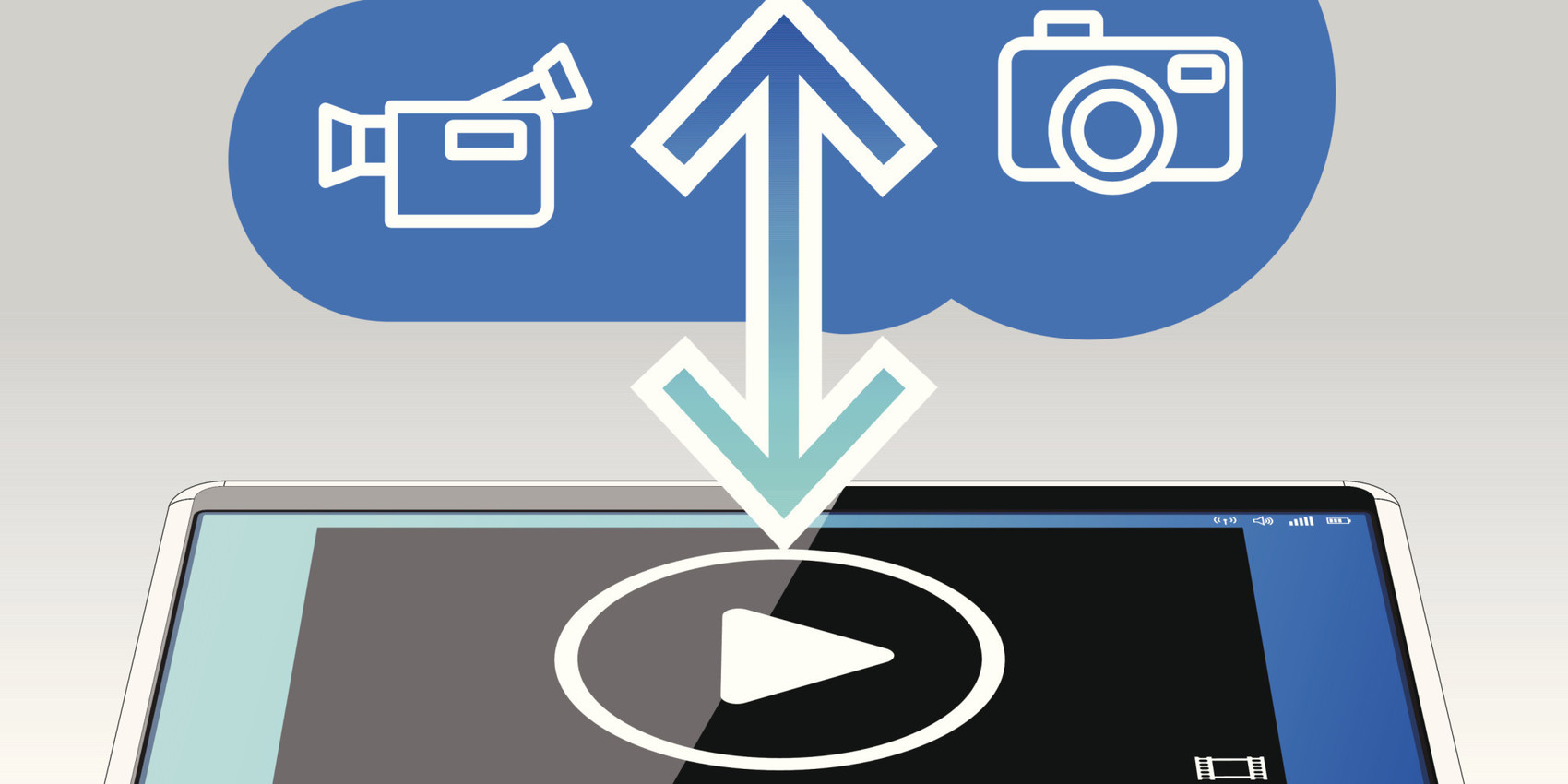
Amazon is rolling out a new way for businesses to use its cloud-based virtual desktop service, Amazon WorkSpaces: instead of paying monthly for access to an..
Apple Inc. is continuing to pillage the automotive software expertise of Ottawa’s QNX Software Systems, quietly hiring the company’s co-founder and former chief executive Dan Dodge earlier this year, according to media reports.
Boeing and its AerData and Jeppesen subsidiaries will move cloud-based versions of their aviation analytics applications, used by more than 300 airlines, to Microsoft’s Azure cloud computing platform.
Currently, airlines using the apps run them primarily on their own servers. Boeing has tinkered with cloud versions delivered over the web, using platforms from Amazon.comInc. and CenturyLink Inc., among others. But the variety of cloud systems threatened to strain Boeing’s cloud-computing expertise, said Kevin Crowley, Boeing vice president of digital aviation.
Sidebar – know I’ve been quiet for a while on the blog… have been CRAZY busy between the EMC SE role, the VCE role, and all the Dell/EMC integration stuff in flight.
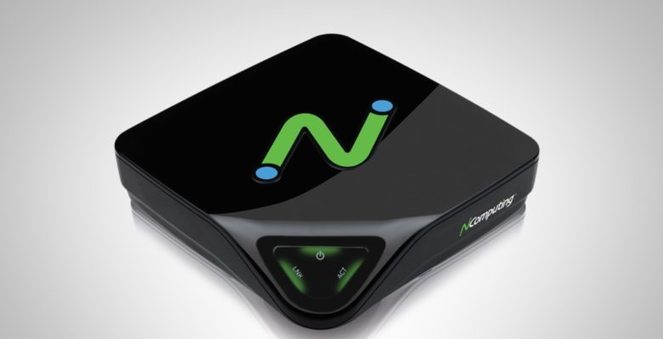
When they worked together, Young Song was the quiet counterpart to loquacious Stephen Dukker, the charismatic leader of low-cost computer pioneers such as eMachines and NComputing.
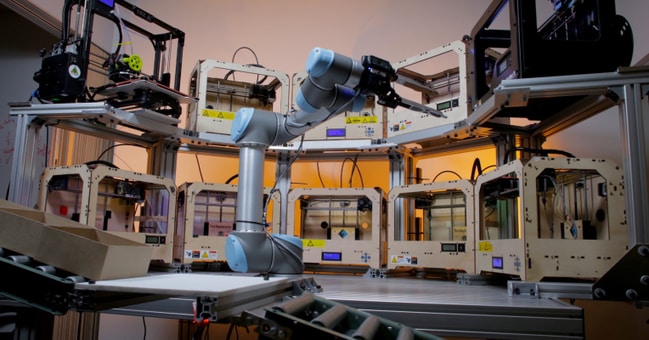
If you’ve got more than a handful of 3D printers or other devices running at a time, it’s a full-time job keeping them going — removing and packaging..
Yesterday we lost a friend. Dell has decided to end development on the vWorkspace product. There will be no vWorkspace 9. Many of the technologies that Dell acquired when they bought Quest Software will continue to live on as part of the Wys
Sustainable IT hasn’t really made a big breakthrough yet. Sure, big corporations have their ‘green’ mission statements but it’s all kind of obligatory. Time to take a deeper look at sustainability.
Take a look at the financial numbers when you have 250 pc’s versus 250 smart terminals: 250 pc’s will cost you EUR 1320,- a month and EUR 15.840 a year. 250 smart terminals will cost you EUR 59,40 a month, and EUR 712,80 a year. That’s not only a huge difference in unnecessary wasted energy, it’s a huge difference in your wallet as well.
Next step is to calculate the amount of CO2 we can save by using smart terminals. The 50 pc’s consume 15.840 kWh on a yearly basis. The 50 smart terminals consume 712,8 kWh on a yearly basis. In CO2 units this is a 9346 kg footprint for the pc’s versus 421 kg for the smart terminals.
One of the interesting points that was brought up on our podcast with Workspot last week was around the “complexity” of Windows. (By the way, if you haven’t listened to that podcast yet, it was fantastic.
Cloaking is a relatively new term in the app virtualization world, but it’s something that has gained traction in the past few years. Quite simply, “cloaking” is a technique where you use the same app virtualization and layering technologies we’ve been talking about previously in this series to make an app “disappear” and “appear” instantly.
We may not be in the post-PC age, but we’re definitely in the ‘plus everything else’ era. A gaggle of new mobile devices has gathered to join the PC, and it’s making things more complex for IT administrators. Smart phones were already heavily in the enterprise, and now, tablets are gaining traction too. How can they cut through the management headache?
The concept of virtualizing desktops, aka Virtual Desktop Infrastructure, has been around since the early ‘00s, with the promise of simplifying and lowering the cost of end-user computing, licensing, support and software maintenance, with mixed —…
SAN DIEGO. Engineers at Chassis Plans released their new patent-pending rugged CPZ-156T Rugged Zero Client as part of a partnership with Dell OEM Solutions.The devices leverages a Dell PCoIP ASIC controller in a rugged enclosure designed for use in extreme environments.
Dell seems to be making a thrust into rugged appliance oriented computing again. Last week in Germany they announced new embedded chassis line. See link
VMware apparently did not take much a winter break, because in the past week we’ve seen several huge announcements. This article is going to cover the desktop-related news, but Jack has also written about Workspace One and the new direction it is…