Pwning a thin client in less than one minute, again!
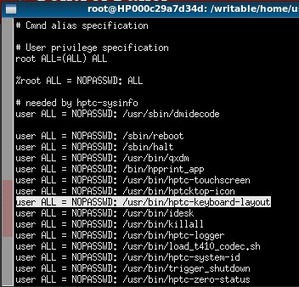
A blog about security research, web application security, software bugs and exploits.
Source: blog.malerisch.net
A blog about security research, web application security, software bugs and exploits.
Source: blog.malerisch.net

Not too many years ago, Peter Burris, head of research for the analyst group Wikibon, recalls being in a room full of chief information officers.
Source: siliconangle.com

Working as an IT Manager (or even worse, to be in charge of a computer lab) at a school is a demanding work. Each teacher has his own needs.
Source: www.praim.com
Working as an IT Manager (or even worse, to be in charge of a computer lab) at a school is indeed a very demanding work.
As you can imagine, every teacher has his own needs and really many of them. Plus, their highly probable lack of IT knowledge is not very helpful for us, technical assistants.
The problems that I am dealing with are more or less always the same:
1. Installation of multiple PC with many software (every teacher wants his or her own programmes that later are used by students).
2. Heterogeneous and diverse PC parks (which means different installations and difficulties even for drivers and basic services).
3. Security issues (open USB ports, shared passwords).
4. High PC failure rates as apparently students don’t care too much to take a proper care of them.
So, what can we do? Is it possible to change this situation?
Thin Clients Market Growth Opportunities, Analysis and Forecasts Report 2016-2021
Source: www.newsmaker.com.au

Amazon acquisitions indicate gaps in technology that AWS wants to fill. Here are the types of markets AWS could acquire in the future.
Source: searchaws.techtarget.com
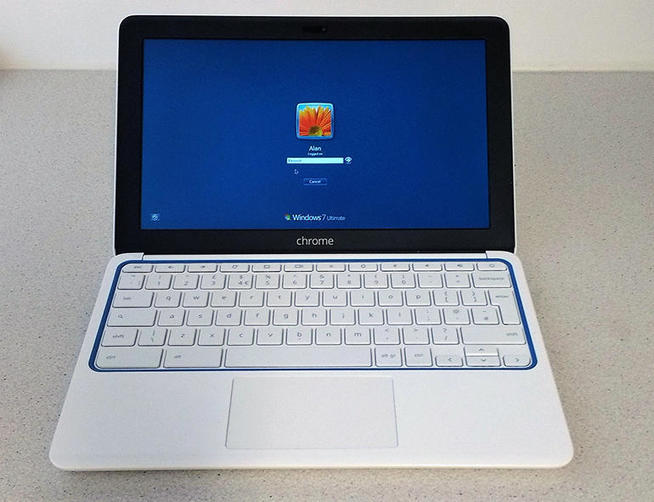
vSpace Pro addresses the pain points of complex and costly hypervisor-based VDI with a much simpler yet still effective alternative that shares desktops on just one Windows OS.
Source: www.zdnet.com

VMware Blast Extreme requires less bandwidth for graphics-intensive apps. Admins said PCoIP performance is to blame for their interest in switching to Blast.

It’s a story becoming too familiar, but no less scary. The latest wrinkle from the Yahoo security breach is the fear of credential stuffin
Source: www.bsminfo.com
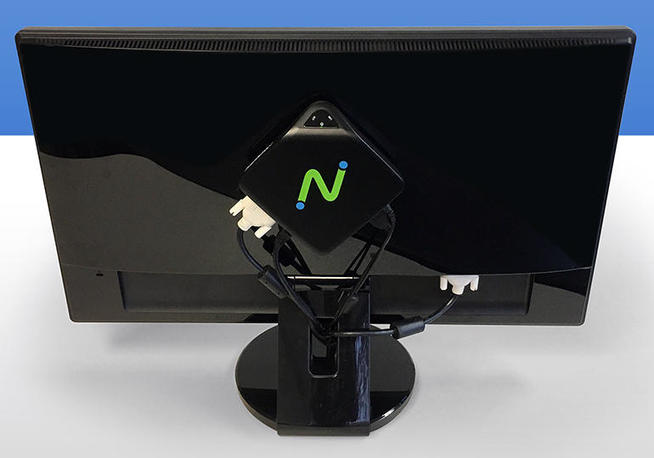
vSpace Pro addresses the pain points of complex and costly hypervisor-based VDI with a much simpler yet still effective alternative that shares desktops on just one Windows OS.
Source: www.zdnet.com

Igel CEO Jed Ayres wants to make it easier for thin client channel partners to profit with the company. Page: 1
Source: www.crn.com
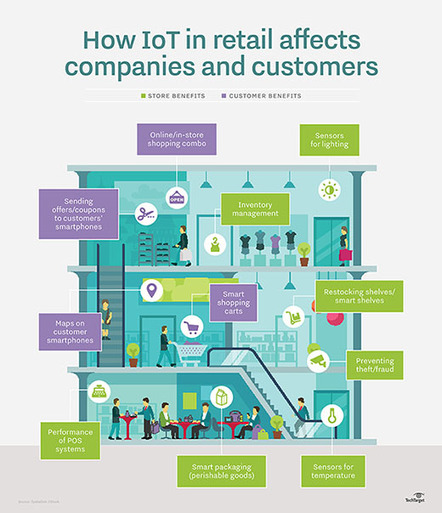
Using IoT in retail environments goes beyond increased customer satisfaction to include improved inventory management, theft prevention and more.

Need development containers and can’t decide? There are several good options that go beyond Docker, expert Mark Betz explains.
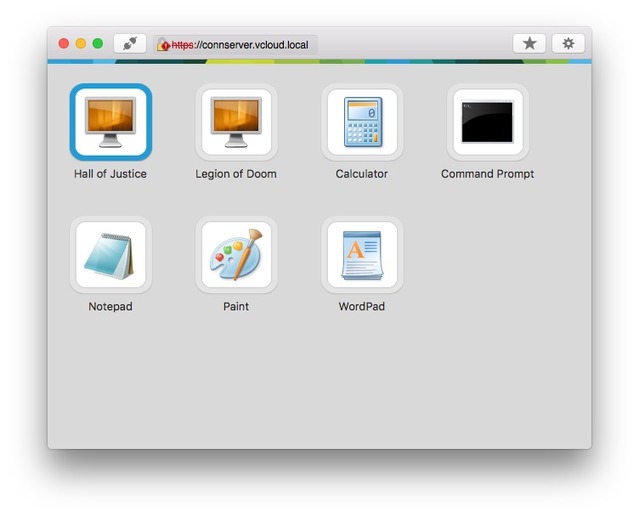
Mobility means everything these days. Phones and tablets are dominating our world and it’s becoming more and more challenging to avoid them.
Source: blogs.vmware.com
Nice writeup on configuring
Source: www.digitaljournal.com
Source: finance.yahoo.com

A significant disruption of Microsoft’s Azure cloud services has affected a large number of customers in Europe and India, and it’s really trying the patience of developers using Visual Studio Team Services, with only partial use of services back online as of Friday afternoon.
Source: visualstudiomagazine.com

Gartner’s Magic Quadrant for Infrastructure-as-a-Service shows Amazon far ahead, but Microsoft gaining ground on the completeness of its IaaS offerings and ability to execute.
Source: www.informationweek.com

Cloud performance issues are ever-present in public, private and hybrid models. Employ cloud monitoring tools and these tips to improve end-user experience.

Five AWS offerings can make a software developer’s life so much easier. Expert Tom Nolle walks us through all of the options.

New thin client devices from Dell, HP Inc. and IGEL Technology, announced at VMworld 2016, add increased support for cloud-hosted desktops.

VMware Horizon 7 now includes the company’s own remote display protocol, which it says can match the performance of PC-over-IP, and a new rapid VM cloning feature.
Source: searchvirtualdesktop.techtarget.com
Writeup by Gabe Knuth on VMware competitor for PCoIP

There are a ton of VMworld 2016 sessions for VDI admins to go to. Learn about six of the best options, which cover Horizon, Blast Extreme and more.

In this infographic, SearchCIO highlights key cloud computing stats from surveys conducted by Gartner, Softchoice and Clutch to help CIOs understand the state of cloud.
Source: searchcio.techtarget.com

VMware joins in the thin client revolution by abandoning outmoded thick clients like the C# client and embracing the HTML5 Web Client.
Source: searchvmware.techtarget.com
Another step towards cloud abstraction of client. Forget C# client and now onto html5.
@robinson_igel w/ @xentegra – UDC2 workshop to convert devices! #vdi #cloudcomputing https://t.co/TShiLfsJdM https://t.co/LaDpDgCBfG
Source: www.igel.com

Product Brief: An Intel® NUC thin client solution provides the powerful performance and onboard storage to run small-footprint OS and apps.
Source: www.intel.com
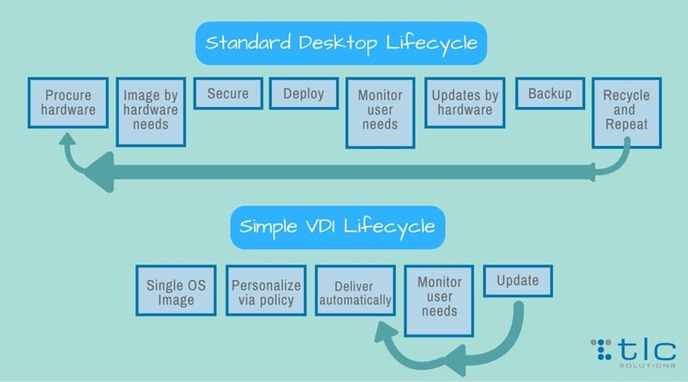
Know the benefits of hosted virtual desktop or VDI to learn if it’s right for your business.
Source: blog.tlcsolutions.ca

As colleges renovate former shopping malls into satellite campuses, students gain vibrant, welcoming places to learn.
Source: www.edtechmagazine.com